
Kontextlayer
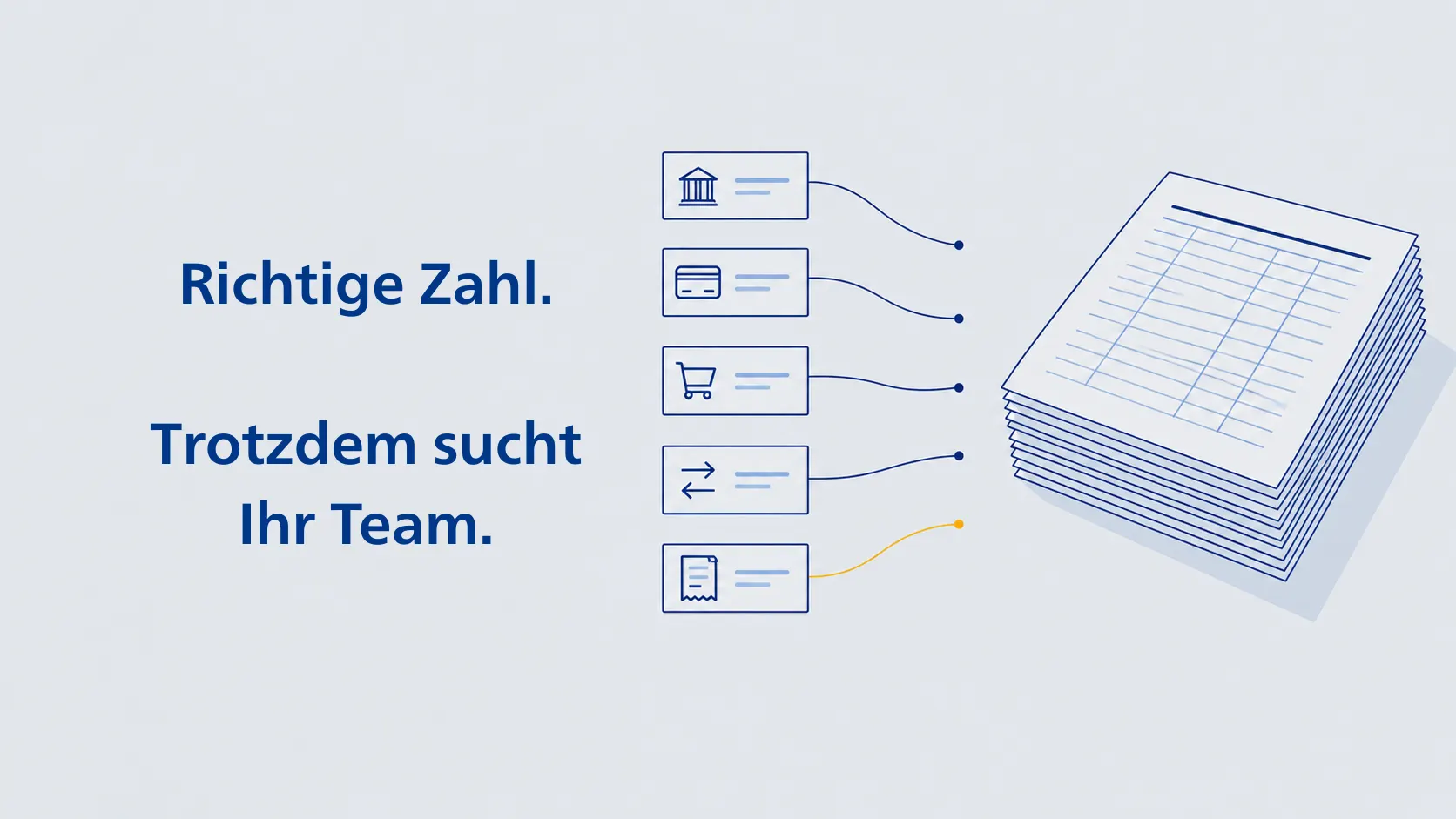
Right number. Your team is still searching.
 Adrian Bourcevet
Decision-to-Execution Architect
I work with the people who sign off on strategic investments in regulated, data-intensive decision environments. They know the bottleneck in both directions: what they submit gets deferred. What they sign off on stalls.
My work is called Decision-to-Execution: the path from decision to impact. This blog documents what works along that path and what does not.
From 124 projects, I know that most organisations do not have a data problem. They have a decision problem.
Implementation starts before a decision has been made. Consensus is sought where ownership is missing. Slides are approved, and approvals are mistaken for decisions. The same person always pays the bill: the one whose name is under the signature.
Here, I write against these patterns. Not with opinion, but with three elements:
124 projects in large corporations and major banks, with a focus on banking and finance, alongside industry, transport and retail. Decision architecture, hybrid data platforms (SAP, Databricks, AWS), analytics communication and pragmatic AI.
I have seen technically sound platforms fail. The technology was not the problem. The basis for the decision was fragile before the first licence was purchased.
That is why my sequence is clear: decision quality first, then data and platforms as the means. Data is a mirror, a navigator and a test. Never an end in itself.
After 90 days, the system runs without me. In concrete terms: at least two key strategic decisions are prepared and embedded so that they move into execution without external facilitation. Before: steering meetings without results. After: Decision Briefs, gates and cadence run internally. That is the exit standard, and it is measurable.
You decide whether I leave afterwards. If you wish, I am happy to make myself unnecessary: the system is then yours. Other clients keep working with me on the next decision or the platform behind it. The difference from conventional consulting: you can carry on without me. Continuing together is a choice, not a dependency.
If you want to know where your decision process is losing money, time and authority, the Health Check makes it visible in 90 minutes, with four working documents.
Adrian Bourcevet Adrian Bourcevet
 Adrian Bourcevet
 Adrian Bourcevet
 Adrian Bourcevet
 Adrian Bourcevet
 Adrian Bourcevet
 Adrian Bourcevet
 Adrian Bourcevet
 Adrian Bourcevet
 Adrian Bourcevet
 Adrian Bourcevet
 Adrian Bourcevet
 Adrian Bourcevet
 Adrian Bourcevet
 Adrian Bourcevet
 Adrian Bourcevet
 Adrian Bourcevet
 Adrian BourcevetAdrian Bourcevet